

Introduction
If you ask someone to tell you the cause of aging, their answer will say a great deal about their journey into the aging field. The most common answer, “isn’t it telomere shortening?,” means someone first heard of aging theories around 2009 when the Nobel Prize for the discovery of telomere function was awarded. Focusing on aging-ending strategies or longevity escape velocity is a clear sign of having watched Aubrey de Grey’s TED talk. More recently, mentions of NAD or sirtuins suggest (like me!) their first appetite for the aging field came from reading David Sinclair’s Lifespan. Fresh longevity enthusiasts these days mostly get excited about bioelectricity after hearing Michael Levin on a podcast or two.
This is, of course, not ideal; it would be much better to gain an understanding of aging through surveying the ideas that have permeated the field for decades and choosing the one that feels most compelling. But, for all my years of searching, I have yet to find an accessible entry point into this fascinating world1. Why is this such a loss?
In the words of psychologist Kurt Lewin, “There is nothing as practical as a good theory.” It is difficult to intervene in the aging process without a direction, and it is tough to find a direction without a map. Hence, this article will draw one.
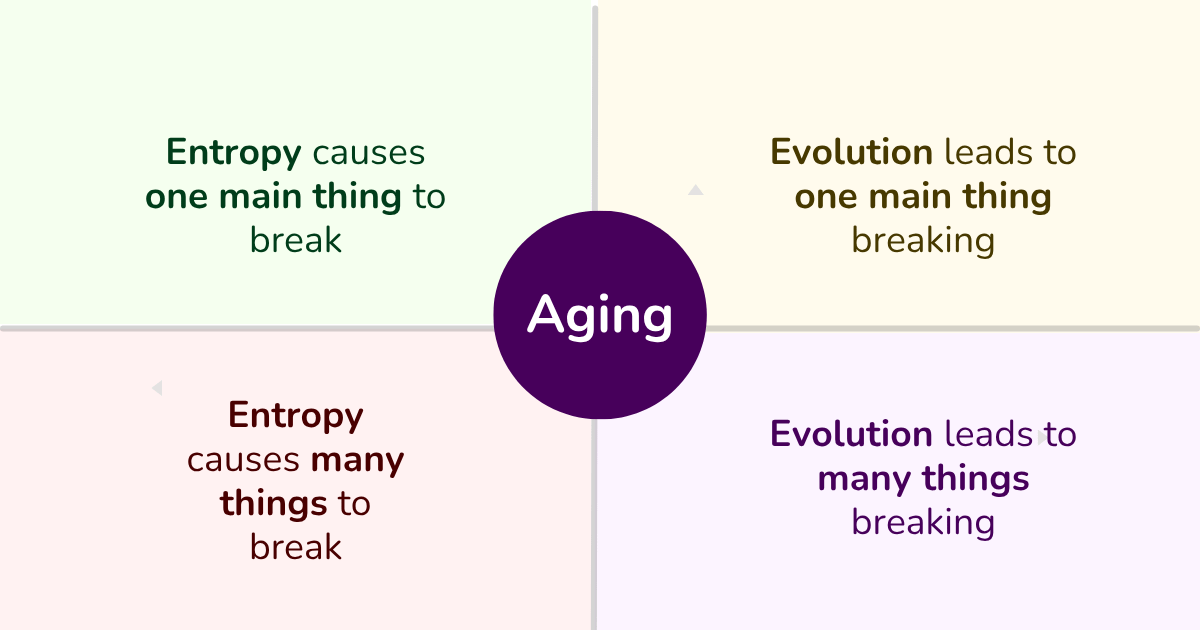
Two key axes emerge when looking at aging theories.
Does it primarily focus on evolution as an explanatory force for aging, or entropy?
Is it centered around one biological mechanism, or many?
If you take sixteen aging theories2 and map them on these axes, you get a plot that looks like the following:
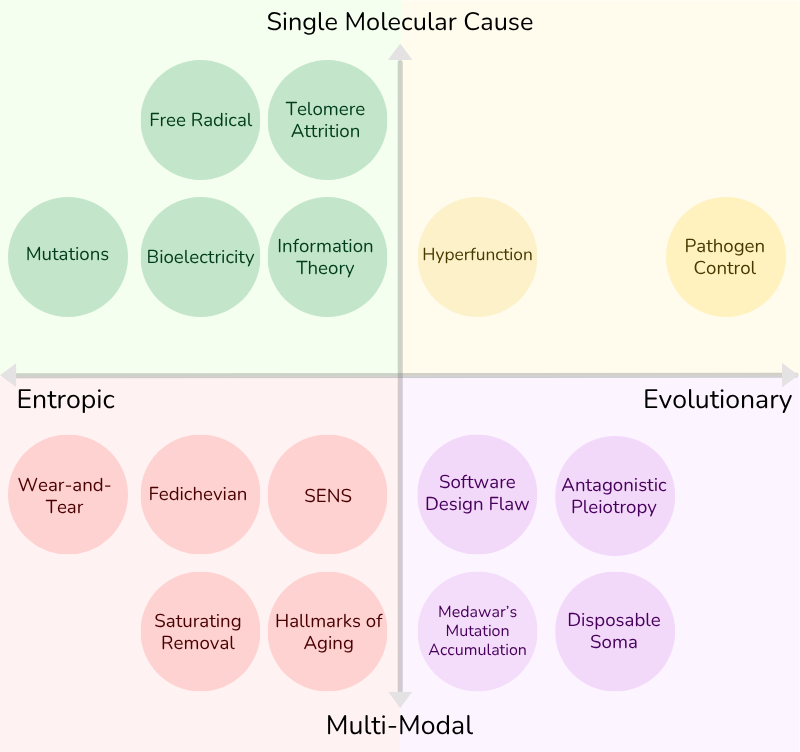
Below, I’ll break down each of the quadrants, what they mean, and my best good-faith interpretation of what each listed theory claims3.
Table of Contents
The Theories
Entropy Drives One Molecular Cause
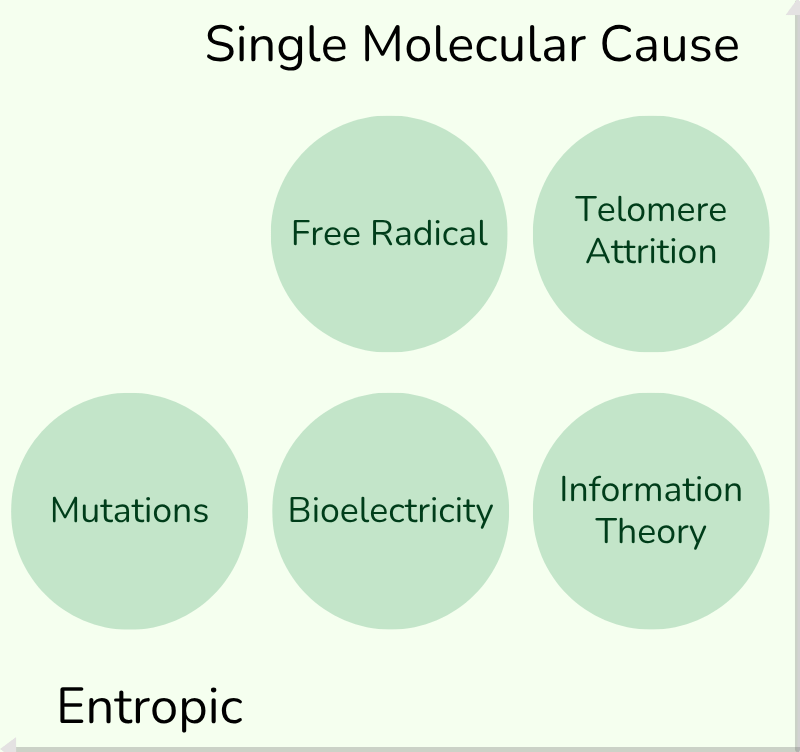
This quadrant is a popular place for aging theories to go because it is fairly straightforward to understand. Aging is primarily caused by [biological phenomena of interest]; if one fixes [biological phenomena of interest] then that should slow the aging process significantly. The simplicity of these arguments, to their great credit, allows for relative ease in falsifying their core premise. It is comparatively much easier to experimentally test the relative importance of telomeres in aging compared to debating the applicability of, say, physics-based models. Consequently, I’ll spend some time writing on the various efforts scientists have made over the decades to prove out these theories.
Free Radical
The free radical theory of aging comes from the early Atomic Age, when scientists noticed the effects of radiation exposure look surprisingly similar (in many ways) to aging. The predominant thinking on aging at the time was influenced by fruit fly scientists, who observed that metabolic rate was inversely related to lifespan. Denham Harman combined these two ideas by hypothesizing that normal metabolism creates free radicals that lead to aging.
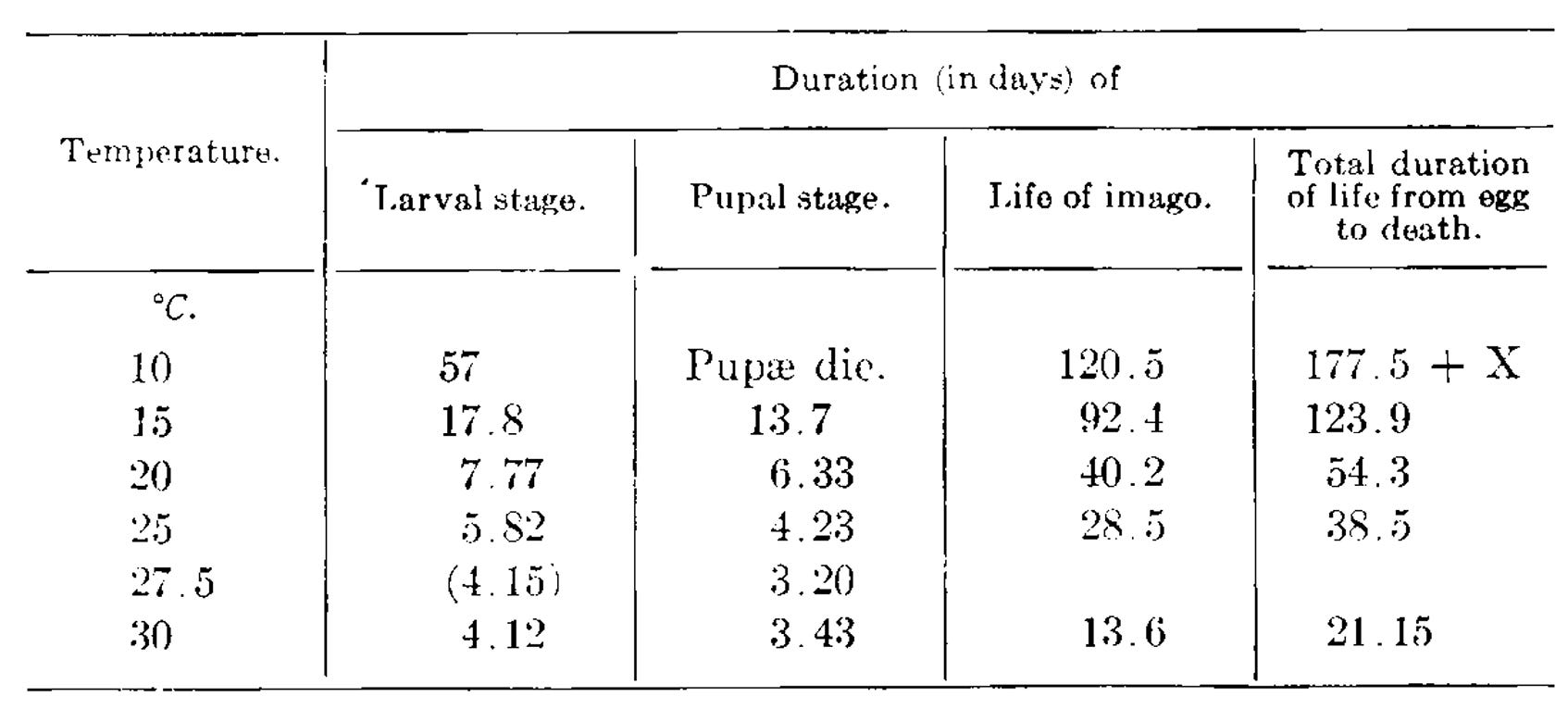
For a long period of time, this theory saw a great deal of popularity, especially when SOD2 and catalase were discovered as enzymes evolved specifically to deal with free radical damage. This set the field up nicely - if the free radical theory of aging were true, then more SOD2/catalase/antioxidants should lead to significant extension of lifespan.
Unfortunately, this did not pan out. SOD2 overexpression does not extend lifespan in mice, halving SOD2 does not decrease lifespan in mice, and taking antioxidant supplements leads to increased death in people. Damage from mitochondrial production of hydrogen peroxide does not even reach the nucleus. These findings, when paired with discoveries about the importance of free radicals in normal biology, have led to the aging field to look elsewhere.
In more recent years, the theory has seen a revival in the form of an increased emphasis on the mitochondria. As mentioned earlier, overexpressing antioxidant enzymes does not increase lifespan - but moving them to the mitochondria does. Mitochondrial function is implicated in the development of sarcopenia and other age-related diseases in humans. If mitochondria are important to aging, then the massive amounts of damaging free radicals they produce could be an obvious culprit.
Mutations
There is a rare disease, Werner’s syndrome, wherein individuals with a mutation in a DNA repair protein (WRN) look remarkably like they are aging about 25% faster than normal.
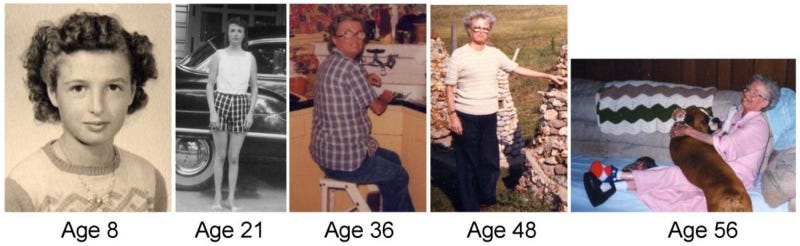
Despite the striking similarity, critics will note there are many ways in which Werner’s syndrome disease progression is quite different from aging. And yet there are 5-10 other genetic diseases with an uncanny resemblance to accelerated aging…. and they all come from having inherited mutations in DNA repair genes. This is quite unlikely to happen by chance, and leads to the immediate hypothesis that DNA repair is related to aging progression. The question is how, and one of the first possible answers was very direct - it’s the direct DNA mutations themselves that are causing the aging process. And there is a very strong relationship between mutational load in aging, both within- and across- species! See below:
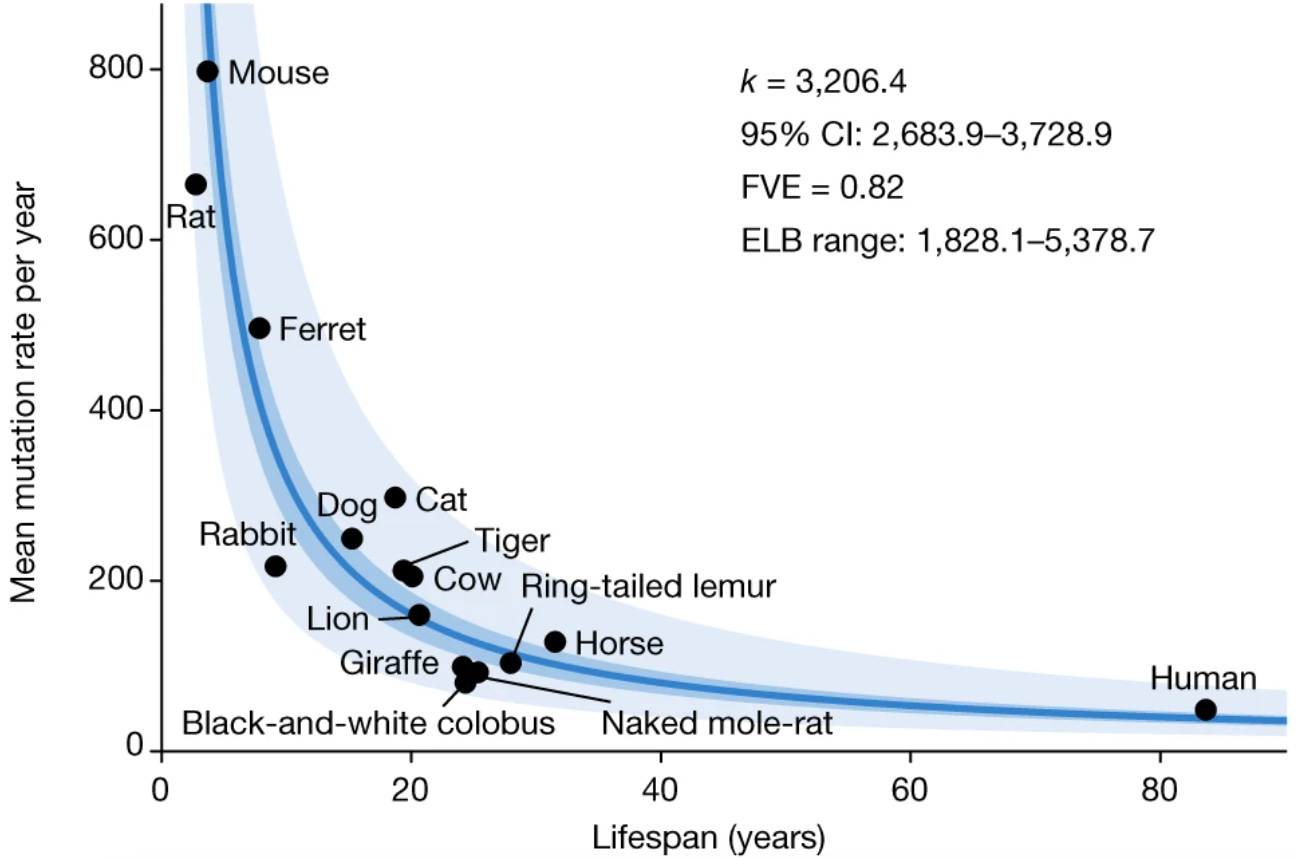
But correlation is not causation, and immediately the same test arises here as it did with the free radical theory of aging - do increased mutations always lead to faster aging, and can you decrease mutations to slow aging? The jury is still out on the latter point, but a 2021 paper poured cold water on the former by finding a population of individuals that has an order of magnitude higher mutational burden with no detectable increase in aging rate.
The field has since shifted more towards focusing on cellular population dynamics - maybe mutations impacting individual cells are not the problem, but rather how they skew a stem cell niche. The bone marrow, for example, dramatically shrinks in terms of cellular diversity over time. The importance of this shrinking is not yet fully known.
Telomere Attrition
Telomeres are pieces of DNA located at the ends of chromosomes. Because of the way that DNA replication occurs, telomeres become slightly shorter each time a cell divides. After enough cellular divisions, the full telomeric region is gone and the cell no longer divides. The late Leonard Hayflick, who discovered that cells cannot divide forever (without making the connection to telomeres at the time!), immediately noted in the same manuscript the relevance for human aging:

The core idea is elegant. If telomere shortening leads to cells ceasing to grow, then this is a clear way through which aging could manifest in people. Unfortunately, the connection between telomeres and aging became shakier over time. Telomere length turns out to not correlate with lifespan in mouse strains, and murine telomere lengths can be far longer than those from humans. Even worse, there’s a strong cancer connection (making this somewhat an evolutionary theory) - short telomeres are a brute-force way to prevent cells from becoming malignant. Upregulating a telomere-extending enzyme (telomerase) leads to higher cellular susceptibility to tumorigenic transformation. The explanation for this phenomenon is pretty straightforward - stem cells that are designed to renew have mechanisms through which they extend their telomeres already; adding more telomeres to non-stem-cells only leads to an increased risk of cancer.
There is, nonetheless, still an important connection between telomeres and aging. Mice born specifically from stem cells with long telomeres do live longer. There are papers suggesting that overexpression of telomerase can lead to lifespan extension, if administered in a very particular way. Perhaps telomeres are important not because they cap chromosomes, but for another reason altogether - being difficult to repair. Multiple laboratories have shown that DNA damage at telomeres persists across cell generations and leads to a prolonged immune response. Telomerase itself has roles beyond telomere extension, and its reactivation leads to beneficial results in mouse models of neurodegeneration. As a result, the relationship between telomeres and aging continues to be a hot area of research.
Bioelectricity
This is a planarian.
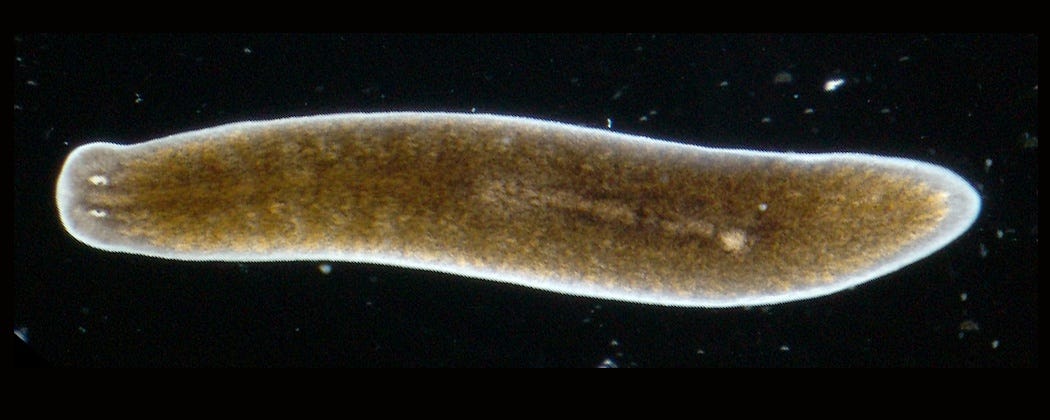
Planaria are incredibly good at regenerating themselves. If you cut them in any direction, they will naturally regrow. In the process of regrowth, they will fully rejuvenate not only the part of their body that they regrew, but the entire body plan. This makes them largely immortal, while they nevertheless accumulate mutations and other forms of cellular damage. A radical interpretation of this finding is that aging has little to do with damage on a cellular level, and everything to do with how an organism is organized. This is the view of well-known scientist Michael Levin, and his outlook on aging is that it’s the breakdown of the overall system (which is regulated through bioelectricity) that leads to aging. The primary outstanding question is the extent to which these findings are relevant to humans.
Information Theory
Harvard professor David Sinclair’s Information Theory is complicated, but it goes something like this:
Damage happens to DNA due to metabolic and/or external causes. This damage needs to be resolved by the cell.
The cell fixes the DNA using proteins that would normally be regulating DNA elsewhere. There’s a particular focus on sirtuins, which are unique because they are evolutionarily ancient & closely related to metabolic signaling. Sirtuins use NAD+ to carry out their function, so there’s a deep emphasis on NAD+ as well.
Since these sirtuins have abandoned their original location on the genome, those areas cease to be regulated properly. This leads to the cell gradually drifting epigenetically, which manifests as aging.
There’s a second corollary that there’s a backup copy of the original epigenetic state hidden somewhere that can be uncovered using epigenetic reprogramming. Epigenetic reprogramming has been covered in rich detail elsewhere, but it entails expressing pluripotency-inducing genes just long enough to get rejuvenation associated with youth without accidentally inducing teratomas. Proponents of the Information Theory of Aging generally tended to be excited about slowing aging via NAD+ restoration and sirtuin activation, but have over time drifted more towards reversing aging with partial reprogramming techniques.
Evolution Drives One Molecular Cause
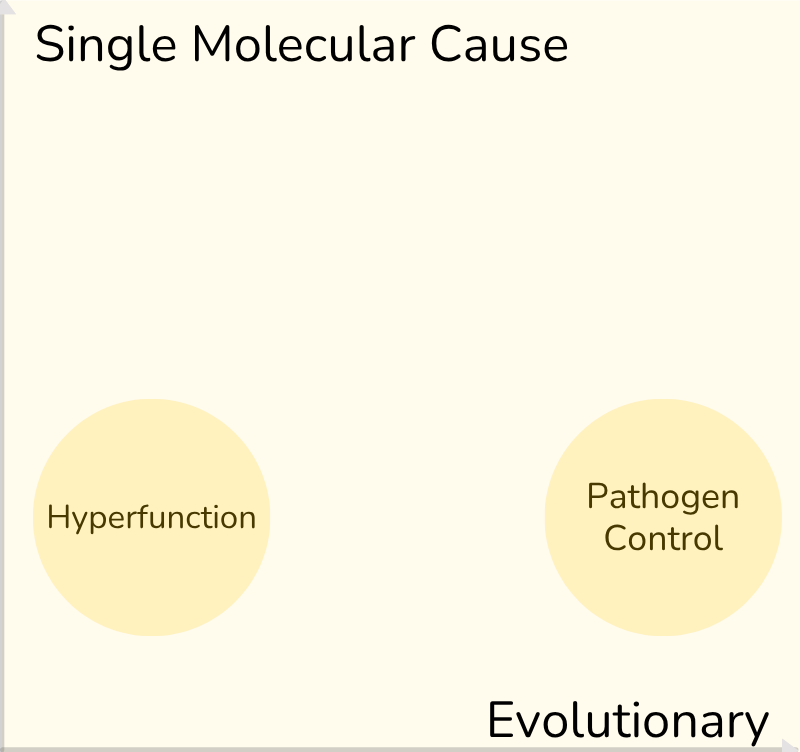
This is the least populated quadrant, and it is a particularly interesting one because its two entries share the least in common relative to any of the other quadrants. In many ways, this quadrant being true would be the best case for translational potential in aging - if evolution was driving aging through a very small number of biological mechanisms, then we should have a relatively easy time undoing those mechanisms.
Hyperfunction
During early life, there is one central theme: Growth. Organisms need to expand their size many times over, with many of them developing entirely novel capabilities after birth. This growth burst is inherently destabilizing, with high metabolism driving free radical damage, telomere attrition, extracellular disruption, and more. Towards the tail end of the growth phase, the reproductive period starts and then growth programs need to be quickly shut down.
Or do they? It depends on the species, but for many organisms the reproductive period is not very long before death from illness or predation. As a result, there is not a great deal of evolutionary incentive for tuning growth pathways to slow down. Many of them will continue on, gradually leading to dysfunction. This core concept - that continued growth programs lead to aging - is hyperfunction theory.

Hyperfunction theory enjoys a great deal of empirical support. Basic research in worms has shown that growth inhibition can increase lifespan by several-fold. Caloric restriction and rapamycin, both interventions that directly target growth, lead to the largest robust increases in both median lifespan and maximum lifespan recorded4. These interventions also generally work across organisms, from C. elegans all the way to primates (though the jury is still out on humans). Newer interventions that have successfully extended lifespan in mouse models, such as IL-11 antibody inhibition, also rely on inhibition of growth pathways. The biggest question for hyperfunction theory is the specific mechanism - yes, growth accelerates aging, but how?
Pathogen Control
A heated scientific debate in the aging world focused on whether or not there was an actual aging program, i.e. whether or not aging was deliberately controlled. There is evidence in some species that such a program exists - take a look at the queen bee, for instance.
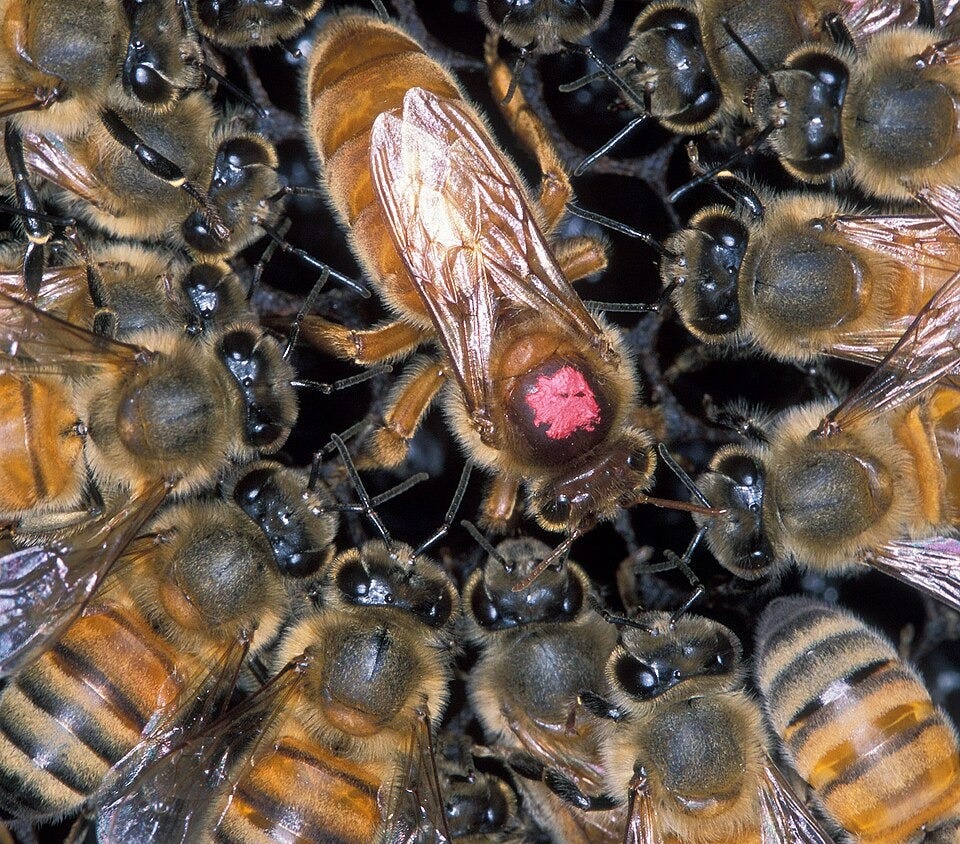
Some queen bees can live many times as long as their worker counterparts, while sharing the same DNA. Similarly, salmon age extremely quickly after spawning and die quickly. However, in most species it has been difficult to identify evidence for such a program, especially on a molecular level.
Peter Lidsky’s pathogen control theory is a callback to the era of programmed aging theories by asserting that evolution actively selected for senescence. The basic premise: aging is a way to prevent chronic diseases from becoming fully embedded in a population. If a population grows old enough, pathogens associated with the long-lived population gain enough time to adapt to the organism and its defenses. The theory strongly emphasizes both immune and growth pathways as being mediators of this programmed aging process.
Entropy Drives Many Causes
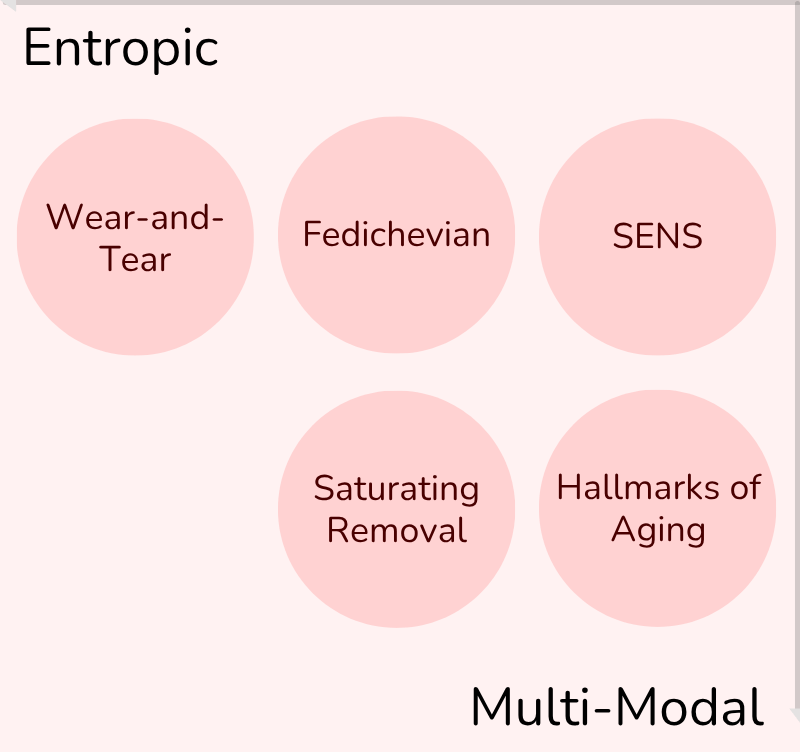
This quadrant is one of abstractions, where aging is treated least like a biological phenomenon and most like a physical one. Three of the five theories here were conceived of by physicists and engineers. Metaphors paralleling the aging body to decaying cars are common. The predominant questions being asked are about what and how; why is much more rare. The core intuition that the aging body is akin to a declining mechanical system is ancient, yet this is also the area in modern theoretical aging biology where the most exciting work is happening.
Wear-and-tear
“We do not suddenly fall on death, but advance towards it by slight degrees; we die every day. For every day a little of our life is taken from us; even when we are growing, our life is on the wane….” wrote Seneca, over two thousand years ago. The core intuition that aging is a slow breakdown happening over one’s lifetime - also known as wear-and-tear theory - is, in some ways, the base case assumption for aging. Almost all of the other theories in this article are a response to wear-and-tear, either as an explanation for how it happens (e.g. free radicals), or as a rebuttal explaining why it is wrong. There are two main challenges with wear-and-tear as a framework for aging:
We have intrinsic repair capacity. Unlike a car, we are able to self-repair damage we incur. Why is aging different?
Why do species age at different rates, and what drives this differential aging?
Despite the relatively ancient nature of these two questions, they both remain conceptually difficult to wrangle to this very day. If even one of these two had a clear solution, the question of why do we age? would be much easier to answer.
SENS
I previously alluded to the idea of using car breakdown as an analogy to aging.

Following that line of thinking for a moment, we do not often think about why cars break down (unless you happen to work for a car manufacturer, in which case I imagine you think about it a great deal). Instead, we solve car breakdowns by identifying the parts that are breaking and fixing them. Aubrey de Grey’s Strategies for engineered negligible senescence (SENS) focuses on exactly this idea by identifying seven types of molecular damage that we undergo and hypothesizing ways to repair them before they become pathological. The primary innovation of SENS was in bringing an engineering mentality into the aging field, making it explicitly clear that the goal of ending aging did not require a perfect underlying theory. This core concept continues to be incredibly influential5, with contemporary conversations often focusing more on how to solve aging rather than on understanding it.
Hallmarks of Aging
The Hallmarks of Aging framework is currently the most popular framing of aging (especially in academic circles). Below is its principal figure:
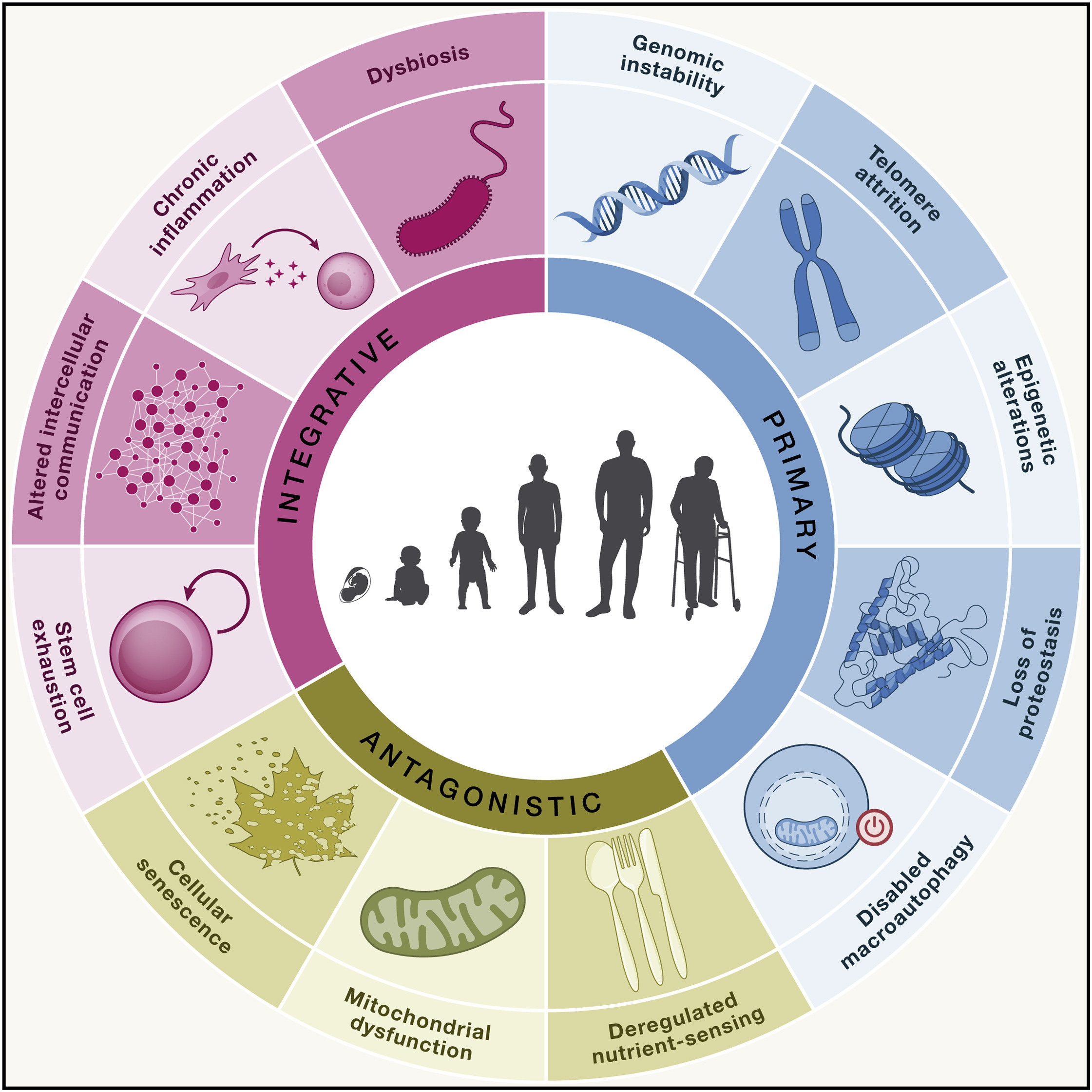
It is an outline of twelve (originally nine) major changes that happen over time. It does have meaningful theory incorporated into it (you’ll observe the “primary,” “antagonistic,” and “integrative” inner circles), but that tends to be much less discussed than the hallmarks themselves. The Hallmarks framework appears similar to SENS (described above), but in many ways it is the direct opposite - it emphasizes biology rather than engineering, and specifically avoids call-to-arms language in favor of a holistic and descriptive view. The positive view of the Hallmarks is that it recognizes all of the biology that encompasses aging; the critical view6 is that it fails to prioritize the biology that has the highest probability of moving the needle.
Fedichev’s Physics-Based Aging
It is conventional to associate aging with progressive dysfunction and disease, to the extent that some definitions of aging inherently incorporate illness as a component. But many of us know elderly individuals who were remarkably healthy until they died of a sudden illness; likewise there are many individuals who are chronically sick for many decades before death finally takes them7. Peter Fedichev, a physicist by training, emphasizes modeling the relationship between aging, frailty, and death. It involves many equations, but visually it looks like this:
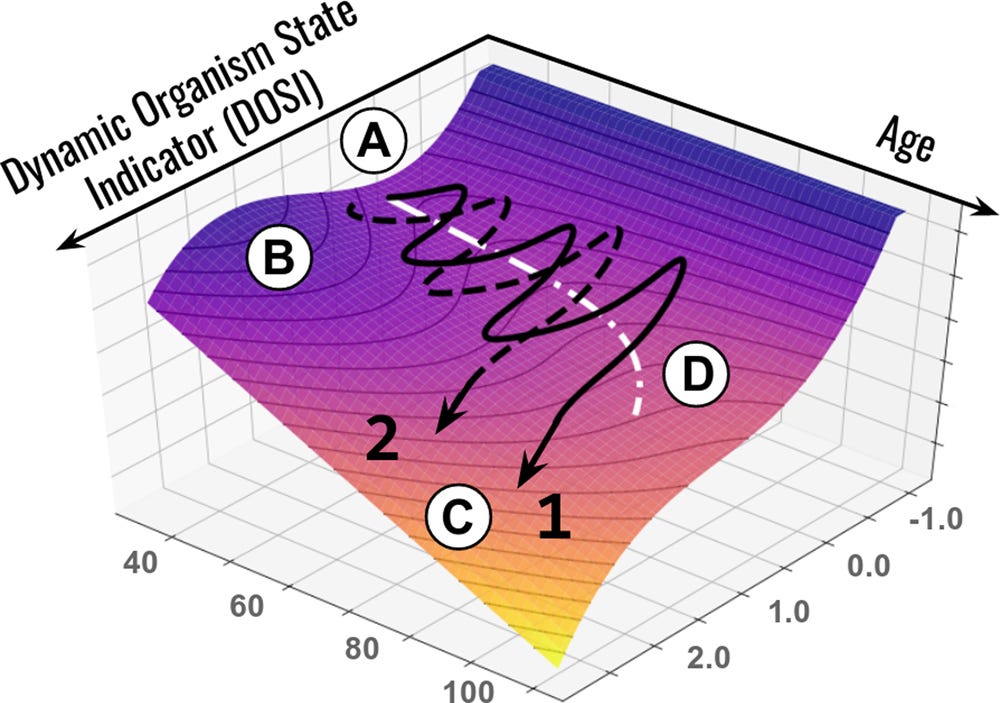
According to this view, individuals have an ability to repair damage from stress and illness (also referred to as resilience). The stressor itself is a fundamentally different thing from resilience. Eventually, resilience becomes low enough that any stress leads to system collapse and subsequent death.
The conceptual achievement of this theory is that it neatly separates aging pathologies - there are those that contribute to stress (inflammation, bacterial infections, etc.) and those that contribute to resilience (a mysterious purer aging process). The former are primarily related to healthspan and can be addressed via engineering strategies. The latter determine maximum lifespan and are much more difficult to tackle, as they’re a proxy for entropy acting on the human body. This distinction should allow for improved clinical targeting of aging therapies.
Saturating Removal
The Saturating Removal (most associated with Uri Alon) view of aging is also based on physics and emphasizes resilience.

There are three processes that are occurring at once in your body:
Damage happens. This damage increases over time in a linear fashion.
You have processes that clean up the damage that is happening.
Some random biological noise happens too.
Over time, damage accumulation saturates available repair mechanisms. When damage hits a certain level, you die. To extend lifespan, organisms have two options: (A) either decrease the amount of damage, or (B) repair better.
This may seem somewhat simplistic, but the basic model has yielded some fairly important insights. One key takeaway is that long-lived species are separated from short-lived species entirely by producing less damage, as opposed to by repairing more effectively. This is somewhat surprising, given literature evidence suggesting long-lived species have more capable damage repair mechanisms. Saturating Removal theory has also provided nuance as to how we age over time - its models, for example, suggest that aging in people aged 20 to 60 is quite different from in those aged 85 and older.
Evolution Drives Many Causes
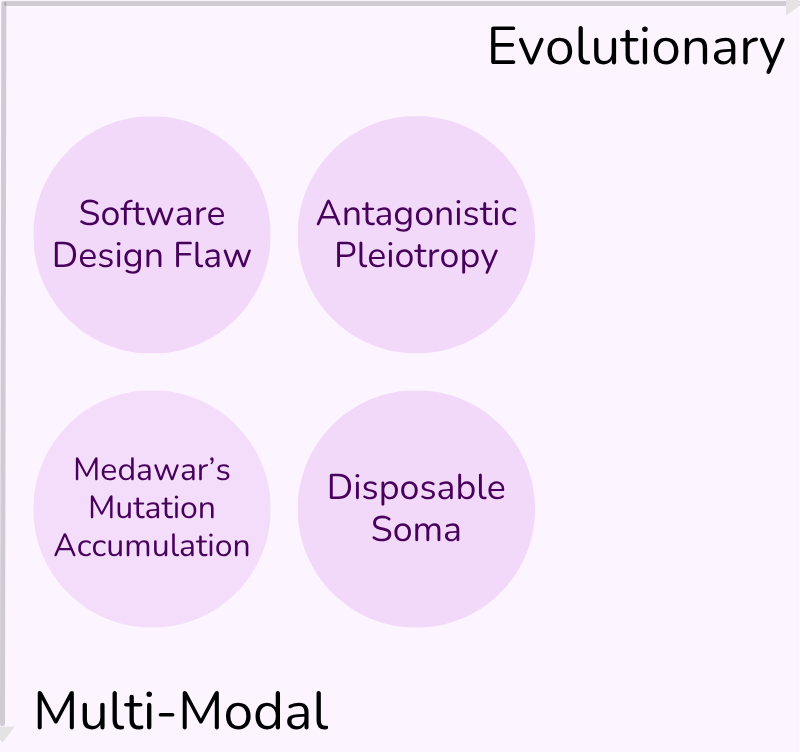
This quadrant has an incredibly deep legacy, with many authors over the span of centuries generating evolutionary reasons for the existence of aging. Most of these were conceived of before we had even basic molecular biology tools, yet they generally hold up remarkably well. These are theories in the grandest sense of the term - seeking to create grand unifying explanations for why aging exists in the form that it does. They are also quite closely related, each riffing off of one key idea: the selection shadow.

Assuming constant birth rates and death rates, there will definitionally be a greater percentage of the population at earlier years of life than later years of life.
What are the implications? It depends on the theory.
Medawar’s Mutation Accumulation
Medawar’s Mutation Accumulation (somewhat confusingly, ‘mutations’ here refers to genetic variants, not mutations accumulated over one’s lifetime) theory is the neutral case. Evolution cares most about individuals at the earliest stage of their life, because (A) there are a lot of them (they have yet to be eaten) and (B) they are reproductively fit. Therefore, most genetic adaptations exist for a younger generation. Evolution does not optimize for older individuals, because there are fewer of them. As there is no evolutionary force preventing late-acting deleterious traits from piling up, they exist unbothered in the genome and contribute to aging.
Antagonistic Pleiotropy
Antagonistic pleiotropy is the more active variant of Medawar’s mutation accumulation idea. Not only does evolution not optimize for older individuals, it will happily optimize for traits that are useful early in life that are maladaptive later on. Amyloid beta is an example - it’s hypothesized to be a part of the innate immune system and to help kill bacteria, fungi, and viruses. For humans throughout most of our evolutionary lifespan, infectious disease was a major lifespan limiter; Alzheimer’s disease was not. Now, with human lifespans longer than ever, these early-life adaptive traits become lifespan-limiting. If you specifically focus on how growth signaling is a major form of antagonistic pleiotropy, you get hyperfunction theory (see above).

Software Design Flaw
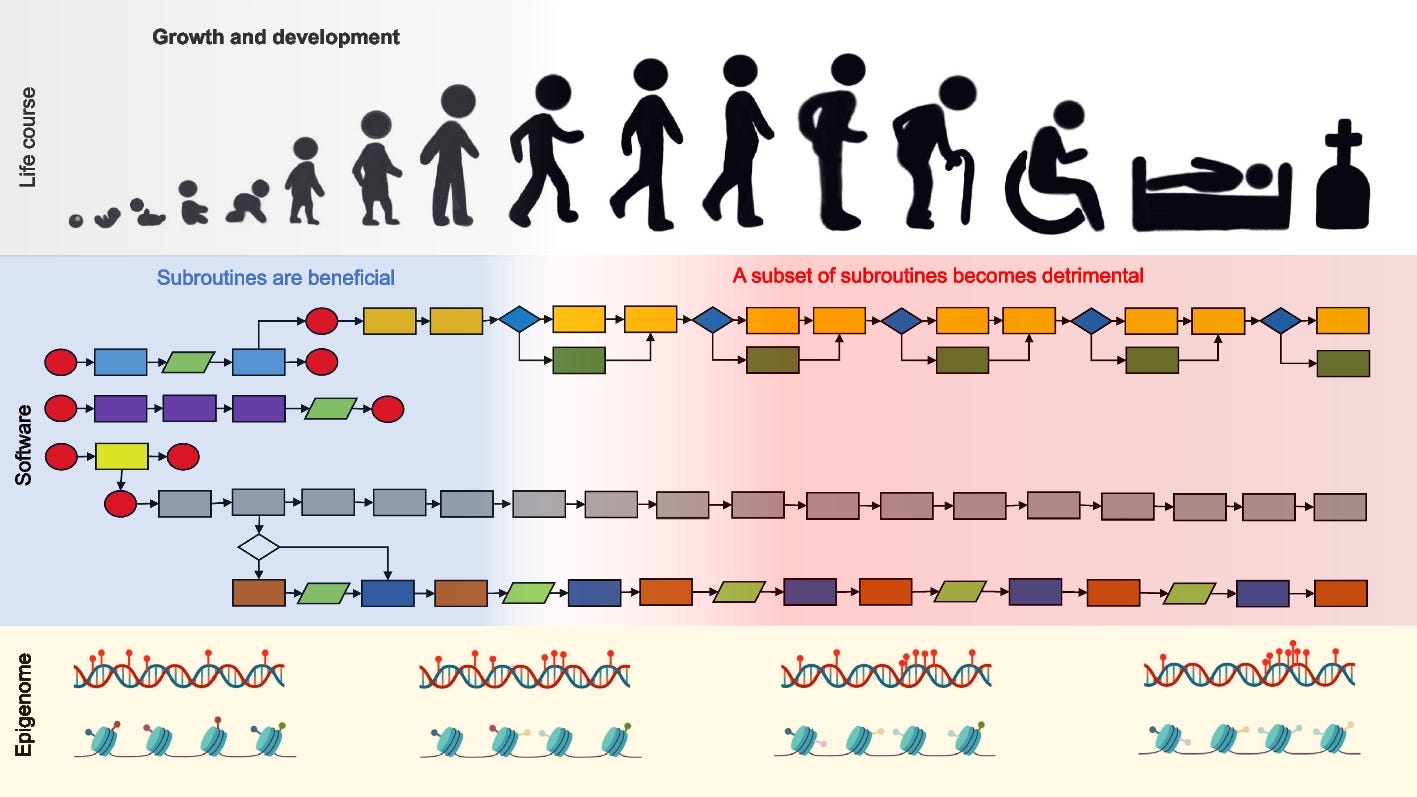
If you take the selection shadow idea and apply seventy years of biological knowledge and a computer scientist lens, you get João Pedro de Magalhães’ Software Design Flaw view of aging. According to this view, aging is a run-on developmental program embedded in our genome and epigenome that was optimized for the first forty years of our lives. Deleterious regulatory networks (subroutines) that are fit for early life are not turned off later in life, and the result is progressive organismal dysfunction. What are promising therapeutic avenues under this framework? ‘Rebooting’ the software through epigenetic reprogramming would be most effective; reversing damage accumulated over the lifetime would do too little.
Disposable Soma
Thomas Kirkwood’s Disposable Soma theory is, in some ways, an economist’s view on the selection shadow. Organisms can only do so many things, and there are inherent resource tradeoffs between growth, reproduction, and maintenance. The more an organism invests into reproduction, the less maintenance it can sustain. There are some interesting studies that seem to reinforce this view, such as findings that male castration leads to a slowing of aging, reinforcing older ideas about eunuchs living longer, healthier lives. The most compelling read of the disposable soma theory is this: longevity does not come for free, and what you gain in repair you will lose somewhere else. Human aging is not akin to a car rusting, because cars need neither reproduce nor grow; all of the resources going into keeping a car afloat can be invested into maintenance (or, perhaps, a good enough warranty).
Conclusion
Which of these theories is most correct?
It’s hard to say. One way to measure ‘correctness’ is by investigating which theories yield the most promising longevity interventions. Two main efforts exist to interrogate this systematically - the National Institute on Aging’s Interventions Testing Program (ITP) and the Longevity Escape Velocity Foundation’s Robust Mouse Rejuvenation (RMR) Study.
The ITP is a program that has been ongoing for over two decades to test putative aging interventions in a reproducible, careful manner at three separate institutions. Their database of tested compounds and resulting lifespan effects can be found here. The main hits that came out of this program are rapamycin and acarbose, which, as key upstream metabolic regulators, perhaps strengthen the hyperfunction framework more than anything else.
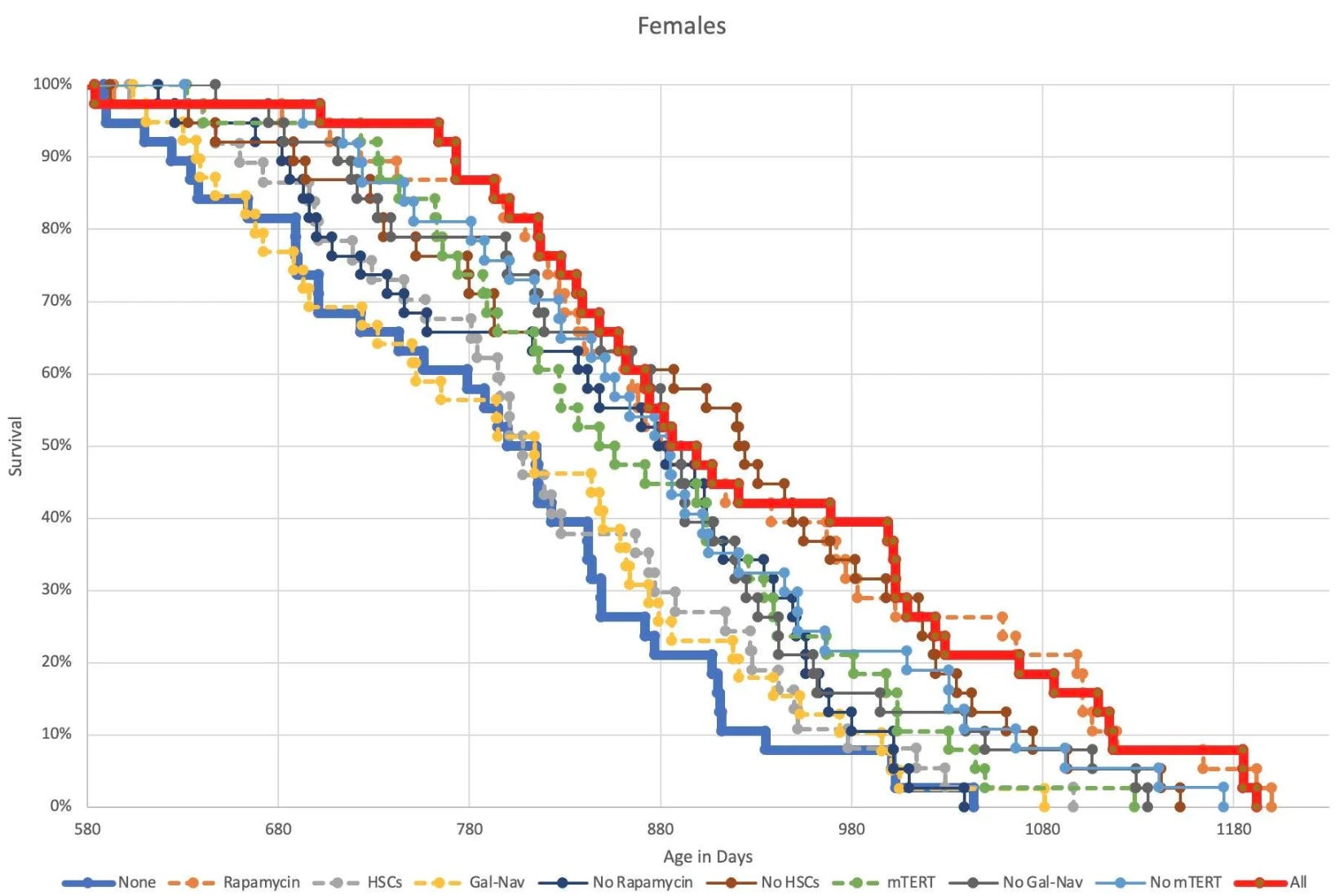
Aubrey de Grey’s Robust Mouse Rejuvenation program is an effort to test multiple interventions at a time, validating the possibility of synergistic effects on aging through repairing several aging hallmarks at once (in many ways a test of the SENS framework). Their initial experiment was quite comprehensive - investigating hematopoietic stem cells, telomere extension, rapamycin, and a senolytic. The result of this experiment?
No combination looks a whole lot better than rapamycin by itself.
The alternative approach is to embark on a single-pronged quest to empirically prove one specific framework correct, a la Barry Marshall swallowing a culture of H. pylori to quite definitively prove that gastritis can be caused by bacteria. The vehicle is often either a lab or startup8, with a few fairly well-known examples. The first of these was Geron Corporation, built on the premise that extending telomeres could prolong lifespan9. More recently, David Sinclair’s Life Biosciences has entered clinical trials with an explicit vision of restoring the epigenome, and Peter Fedichev’s Gero is finding ways to slow aging using physics-based models. None of these efforts have borne translational fruit yet, but many of them are still quite early in their journeys.
There is a possibility there is no correct theory of aging. Aging could be a terrible messy web, caused by too many factors to count, manifesting in too complex a manner to understand. But that in itself is a framework10, one with conclusions that are actionable - perhaps implying that the best solution to aging is to use a tool (AI) that can understand the complexity that mortal minds cannot.
Something that is certain: aging is a process that is happening to all of us, driving the probability of life-altering disease higher with every passing year. Through understanding and considering how it operates, we could slow aging down to save an enormous number of lives. Perhaps we could even reverse it…
…but only if you subscribe to certain theories of aging.
There have been good efforts, especially oriented towards academics. João Pedro de Magalhães wrote a review using a framework not so dissimilar to this one. Sadly, most of these sit behind paywalls.
This is by no means comprehensive - theories of aging count in the hundreds. I have selected these sixteen due to their modern popularity, their introduction of interesting conceptual advances, or their historical relevance.
An important note - these theories are not mutually exclusive. This is especially true along the x axis, where the relative importance of evolution as an explanation does not necessarily imply how aging is affected by evolution. One could, for example, take the position that evolution has a selection shadow for traits after the age of reproduction (a la disposable soma theory) which leads to cells specifically dying due to running out of telomeric DNA.
See examples here and here. One could argue Bryan Johnson’s Don’t Die framework exists in this tradition as well.
For transparency - I am doing precisely this, too, for an aging framework of my own.
A phenomenal podcast history by Matt Pech and Alex Kesin about the resulting journey can be found here.
And even one that researchers have sought to formalize!
Here is another theory
https://citrate.science/2026poster/poster2026.html